Worldsteel published January 2021 world crude steel production yesterday. World steel output was 162.9 million metric tonnes, 4.8% higher than in January 2020.
China produced 90.2 million tonnes in January, accounting for 55% of world output and rising 6.8% on January 2020. In other parts of Asia, Indian output rose 7.6% on last January and South Korean production rose 4.9%.
European Union production fell 0.4%, though output by its largest producer, Germany, rose 6.0%. However, figures from the Italian steel association Federacciai show production by the EU’s second largest producer rose only 0.9% year-on-year.
North American production fell 7.0% following a 9.9% drop in the United States and CIS output rose 4.5% following a 6.5% increase in Russia. Other important changes on last January include increased production in Turkey (+12.7%) and Iran (+10.2%).
Rolling process at NLMK La Louviere (NLMK Group) from Worldsteel Image Library by worldsteel / Robert Kolykhalov
According to Worldsteel, construction accounts for about 50% of steel demand worldwide. While this figure differs by region, those of us who follow steel demand are keenly interested in the performance of the construction sector.
Construction is the focus of this week’s Steel Data Room dataset of the week, “US Census Bureau Construction Spending”. In this dataset, you can find everything the Census Bureau publishes on construction spending in the US, monthly and annually, seasonally adjusted or not, from total overall spending to detailed spending on specific types of structures such as bridges or residential new single-family homes.
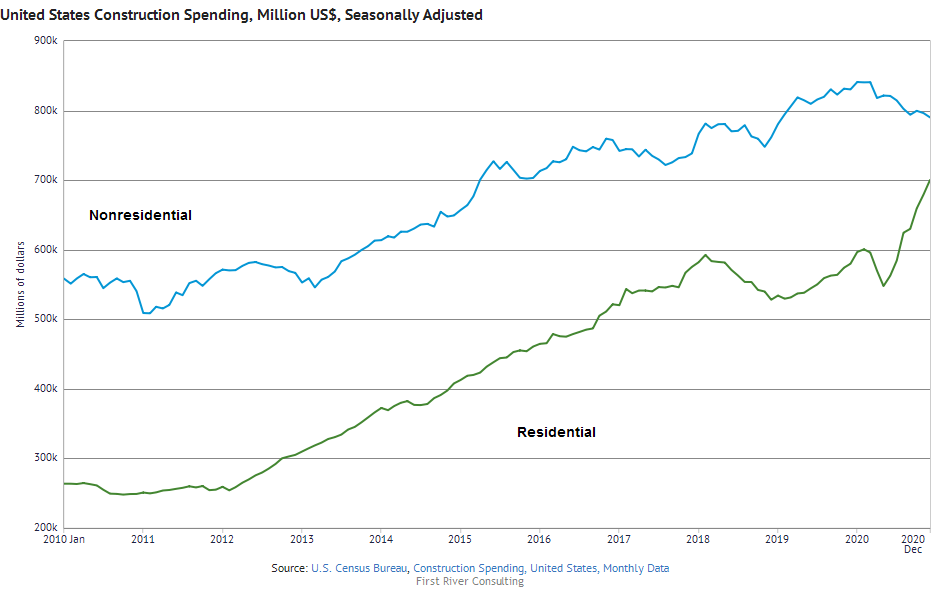
If steel demand drivers are important to you, why not try a free Steel Data Room trial. You can easily create charts like the one below, which highlights the strong performance of US residential construction compared to non-residential construction in 2020.
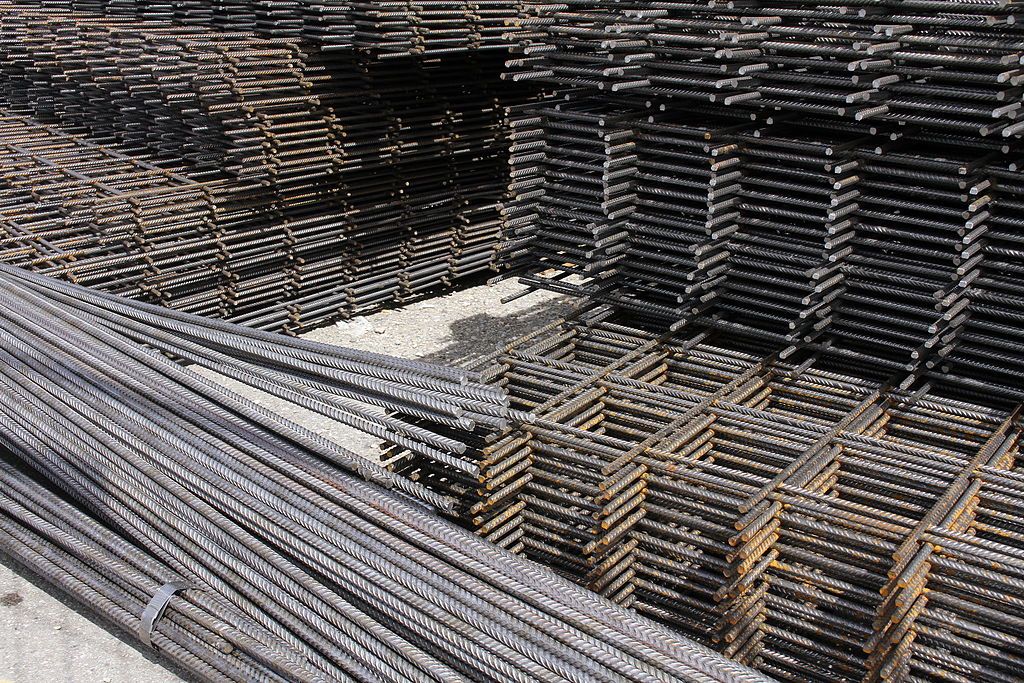
Based on reported import licenses, US long products imports dropped 10% from 266,000 short tons in January 2020 to 240,000 tons in January this year. Licenses indicate that the decline was mainly due to lower wire rod imports from Brazil and lower rebar imports from Spain. Parallel flange sections imports rose, however, with higher volumes from the United Arab Emirates.
US long products import licenses from ITA Steel Import Monitor
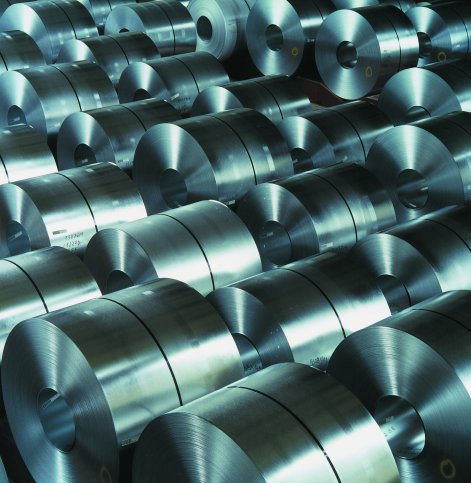
Based on reported import licenses, US flat products imports fell 22% from 669,000 short tons in January 2020 to 523,000 tonnes last month.
Hot dip galvanized imports fell by the highest volume, dropping 31% due to lower imports from Brazil, Austria, South Korea and Canada. Cold rolled imports also fell significantly, declining 44% due mainly to lower imports from Australia, South Korea and Mexico.
Steel Import Monitor US Flat Products Import Licenses
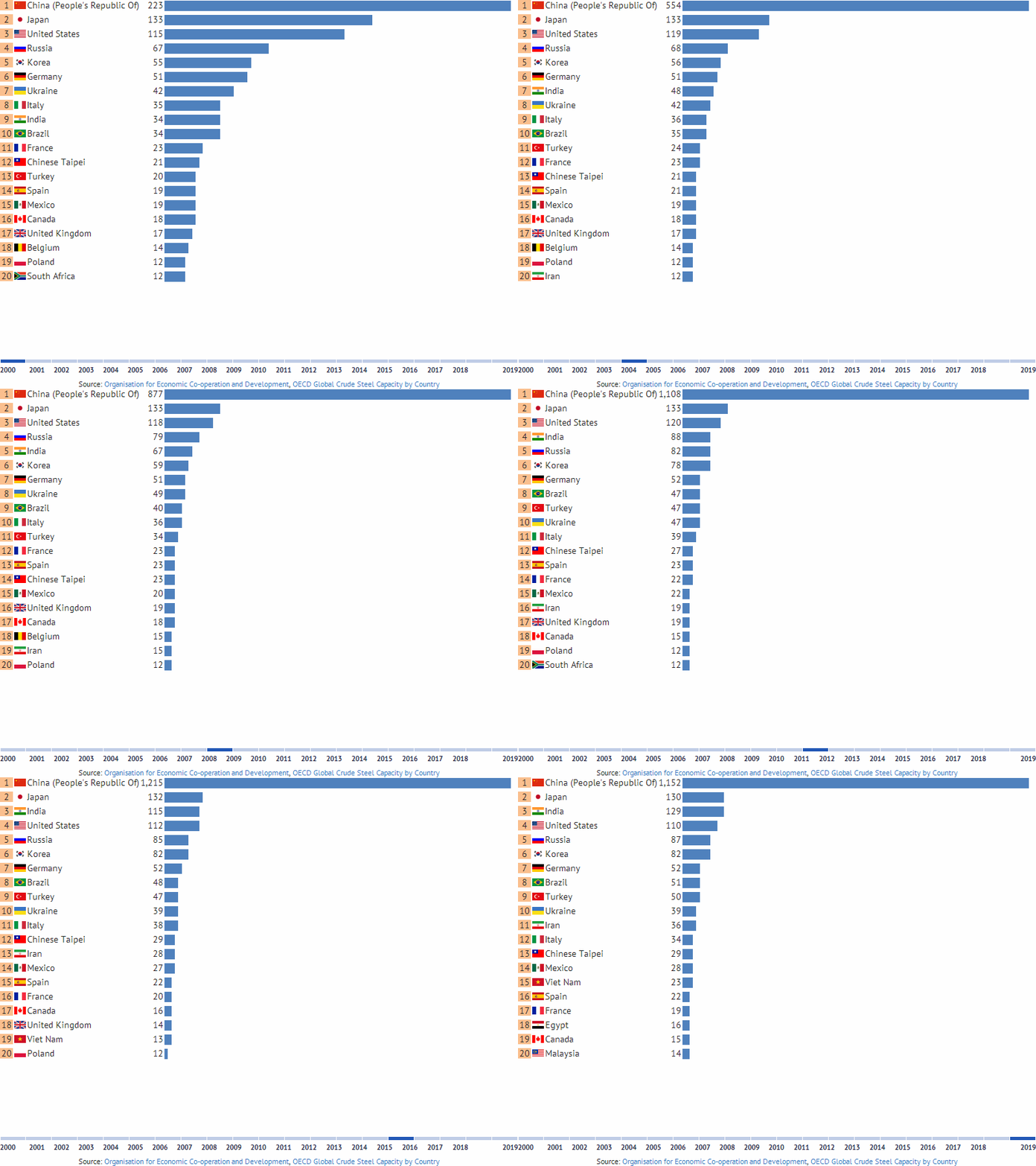
A great source of the latest global steelmaking capacity figures from the OECD is the Steel Data Room dataset “OECD Global Crude Steel Capacity by Country”. This dataset has OECD figures on capacity by world, region, and country, automatically updated with the newest published figures which are revised every six months.
In the Steel Data Room, you can easily create the charts you need and insert them into your documents and presentations. The animated image below showing the top 20 steelmaking countries from 2000 to 2019 highlights the rise of steelmaking capacity in China and India.
Curious to see what great data you can find in the Steel Data Room and how you can use it? Try our free Steel Data Room trial.
Worldsteel reported crude steel production in China at 91.3 million tonnes in December, 8% higher than in December 2019. Chinese crude steel output in 2020 was 5% higher than in 2019 at 1,053 million tonnes.
Data from China’s General Administration of Customs show net finished steel exports in December at 3.5 million tonnes, 9% higher than in December 2019. On a full-year basis, net 2020 exports were 36% lower than in 2019.